
Dylan McBurney on Antarctica, wildlife and the Sigma 60–600mm F4.5–6.3 DG DN OS | Sports
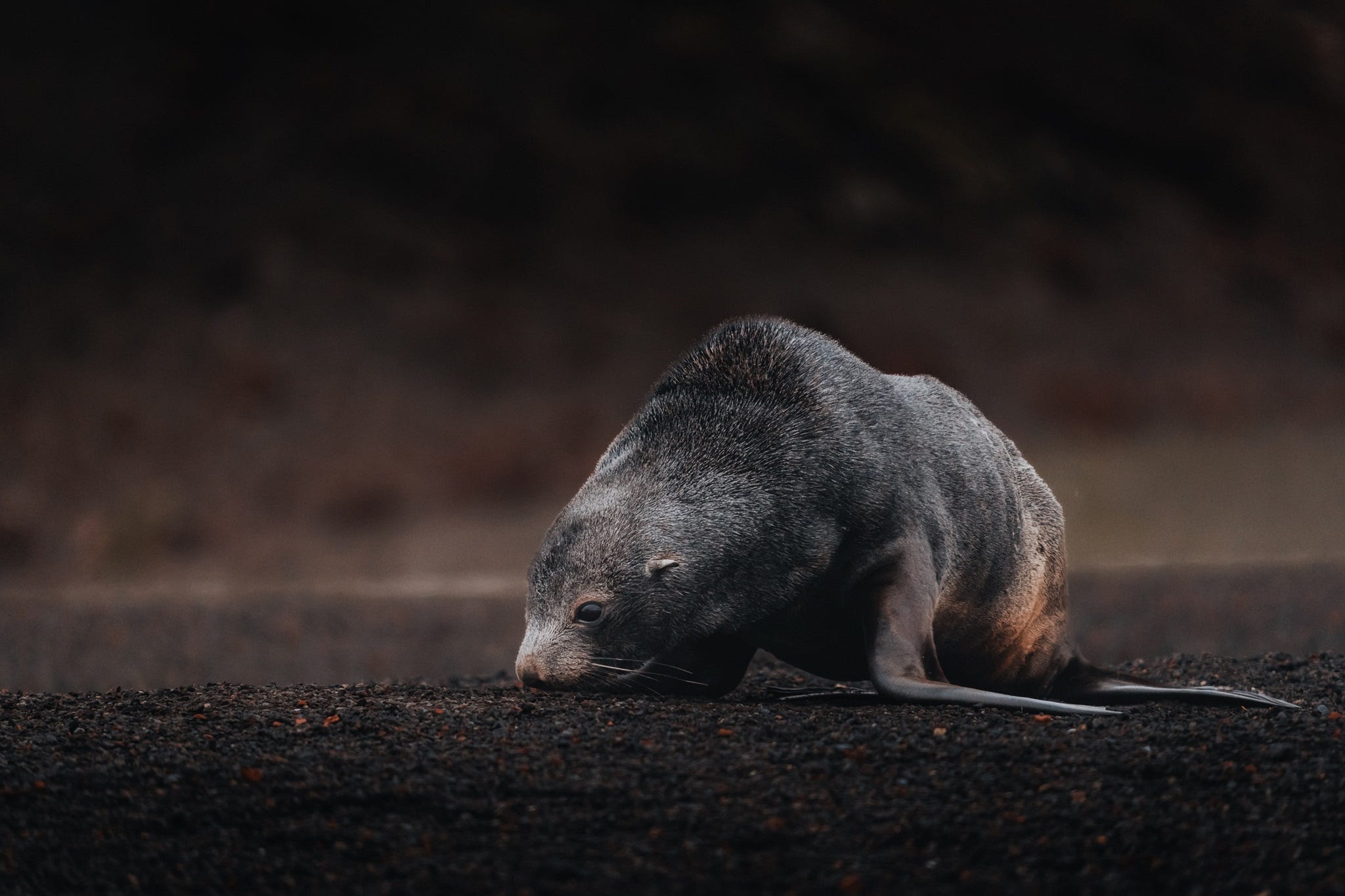
For photographer Dylan McBurney, it was a dream come true: an expedition to Antarctica. During this extraordinary journey, he captured impressive landscapes, quiet moments on the water, and encounters with whales, seals, and penguins. He photographed a large part of the trip with the Sigma 60–600mm F4.5–6.3 DG DN OS | Sports. We spoke with Dylan about the magic of Antarctica, his most unforgettable experiences, and why this particular lens was such a perfect fit for a place where everything is constantly changing.
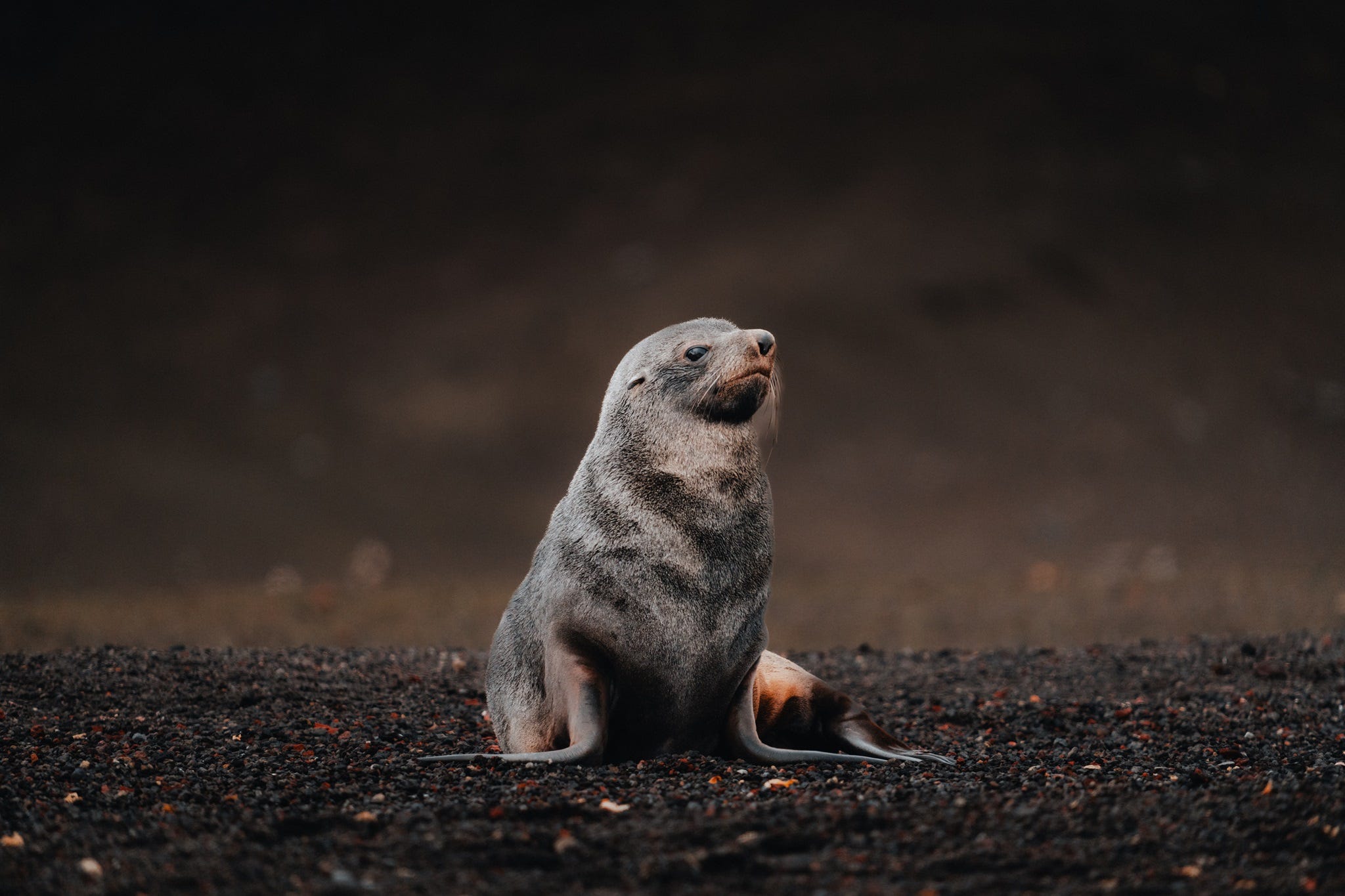
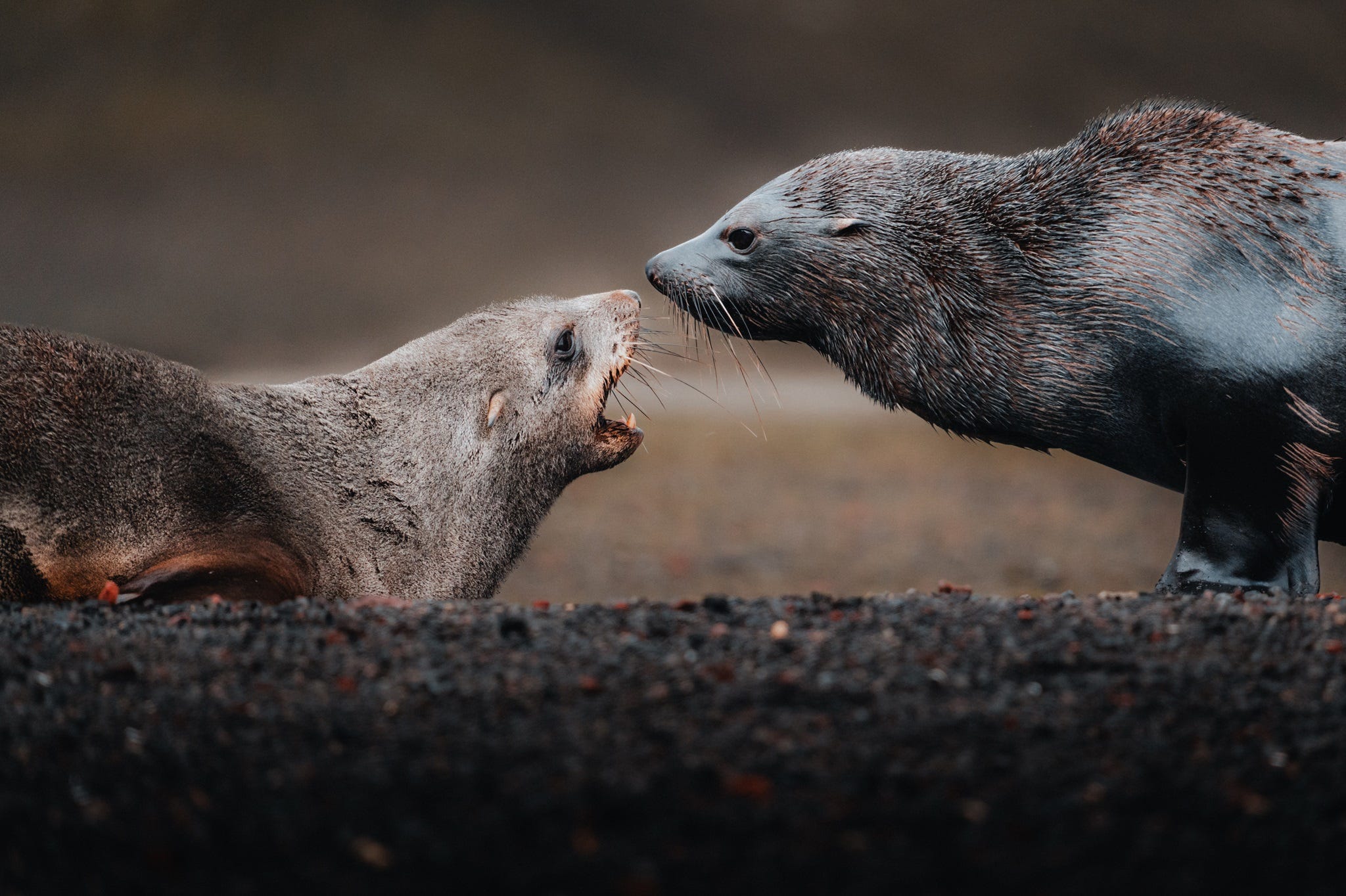
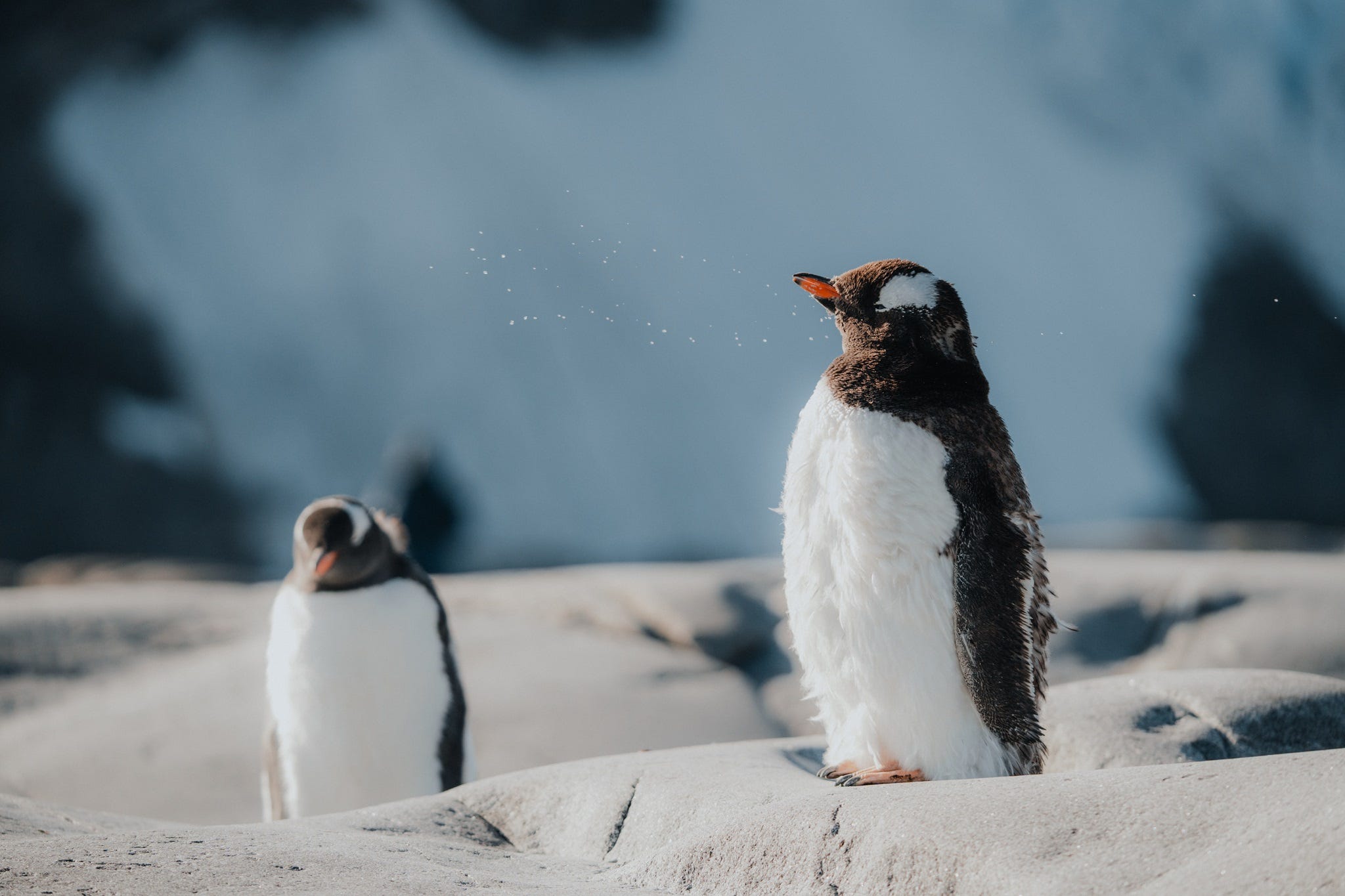
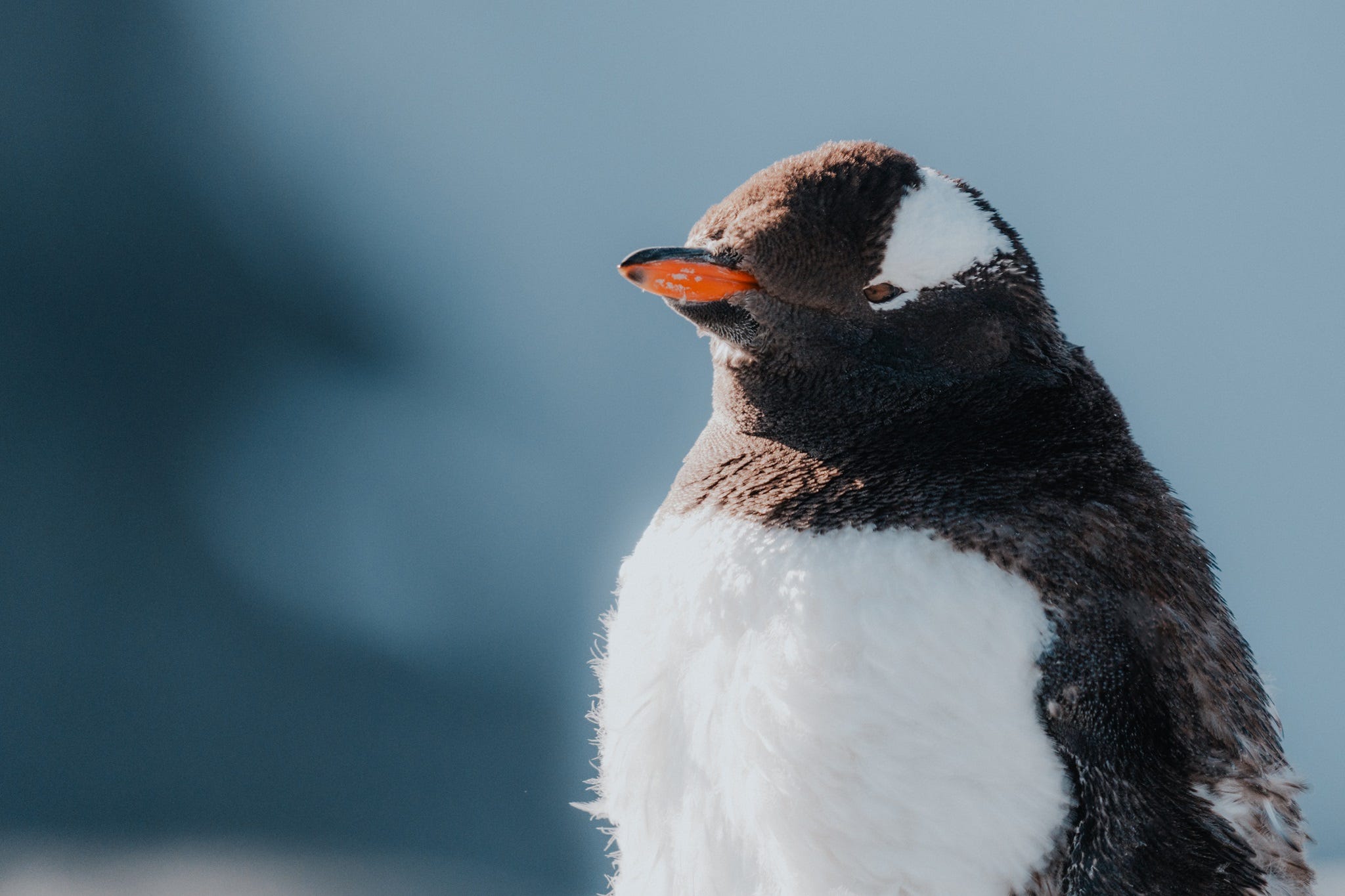
Antarctica ranks highly on many photographers’ bucket lists. What was it like to be there?
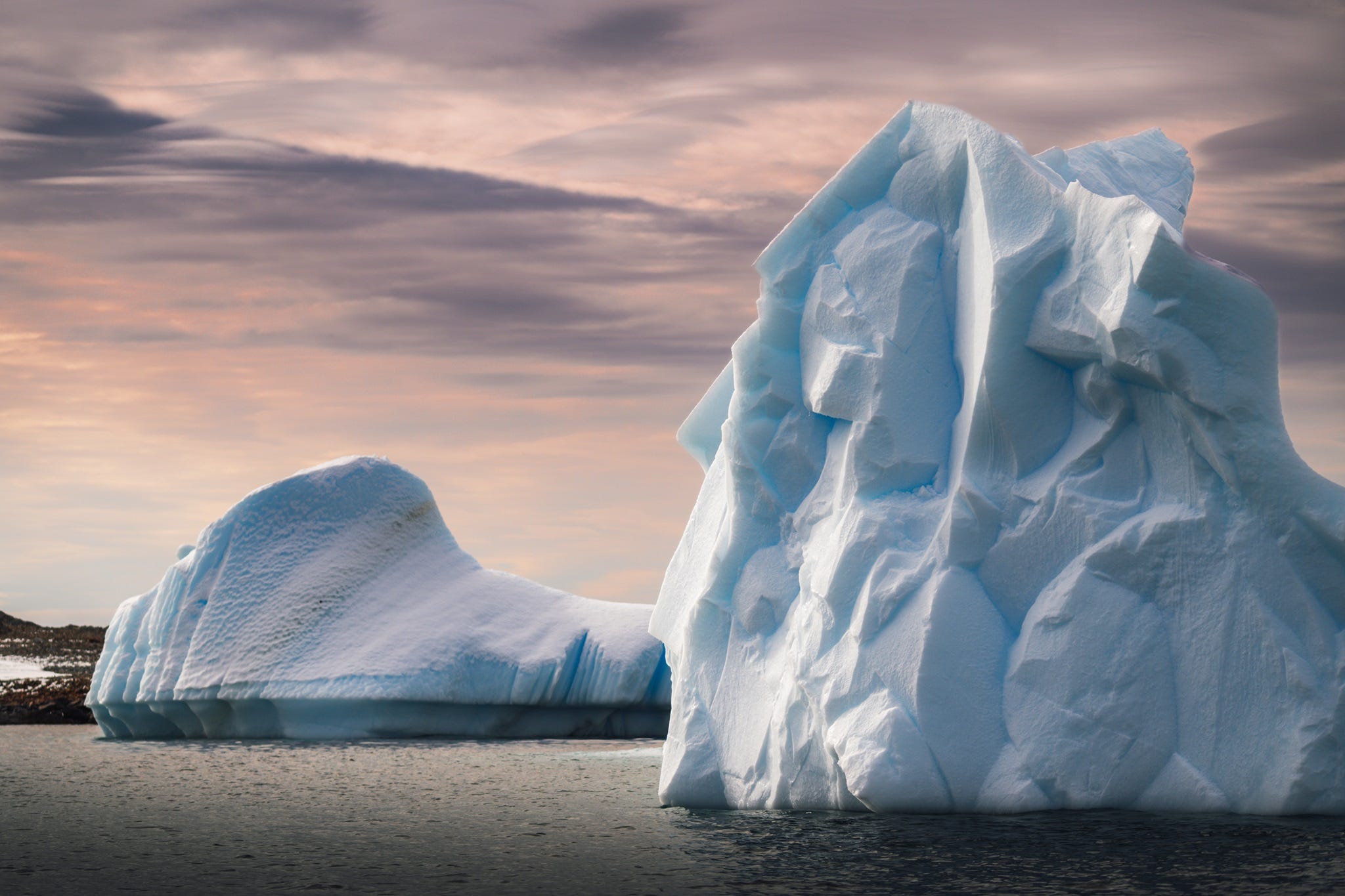
“It was otherworldly. I can hardly put into words how special it was. Antarctica had been number one on my bucket list for years. I knew it would be impressive, but the reality was far more extraordinary than I had expected. The landscapes, the light, the sky, the silence, and of course the wildlife. It felt as though you were on another planet.”
You had previously been on expeditions to places such as Svalbard and Greenland. What made Antarctica different?
“You think beforehand that you more or less know what to expect, especially if you’ve already been to polar regions in the Arctic. But Antarctica really is different. The light was incredible. A sunrise could last for hours. The cloud formations were beautiful and constantly shifting. The scale of everything around you is also immense. Even if you’re experienced, Antarctica still manages to surprise you.”
What did the journey look like?
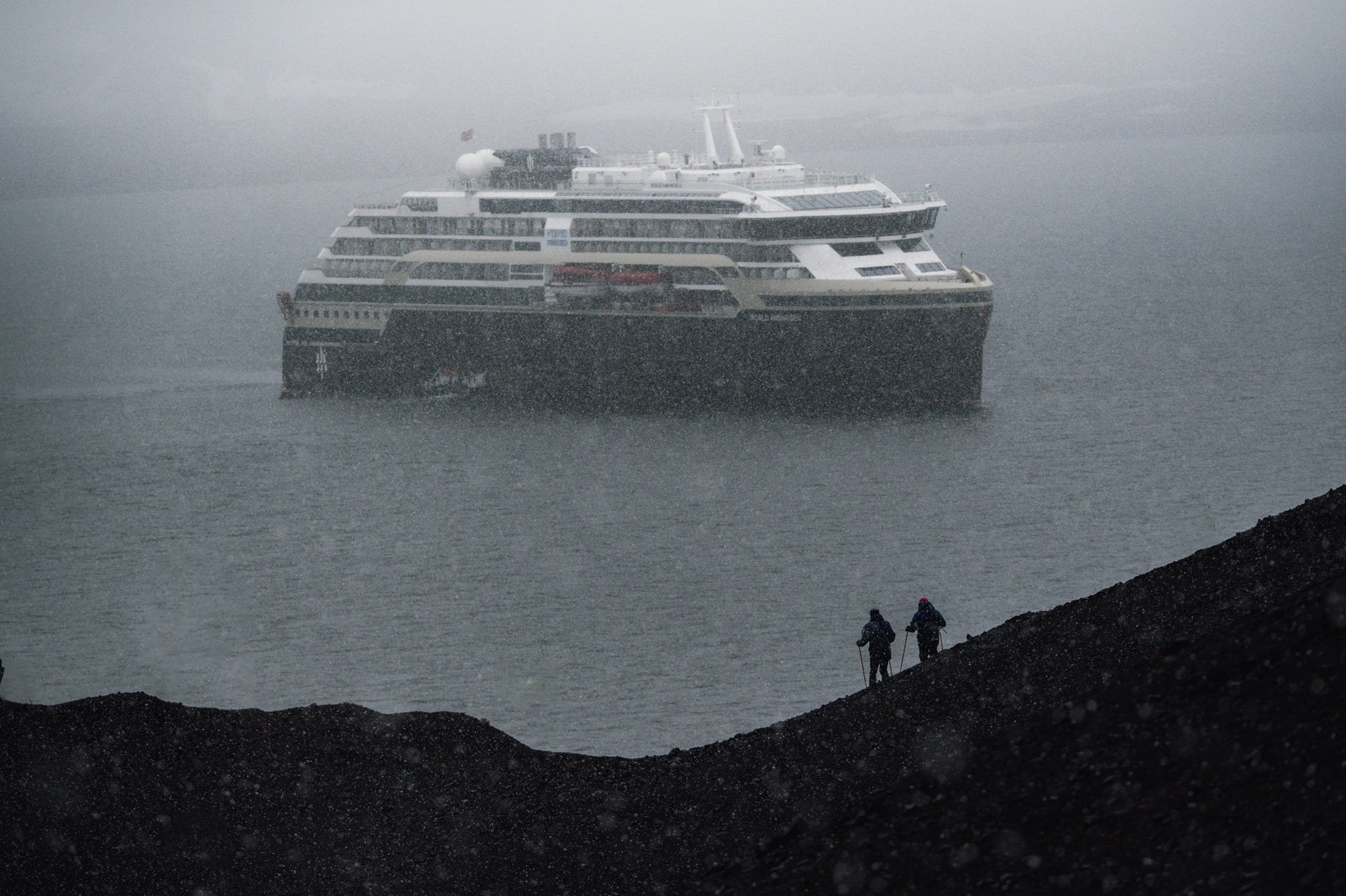
“We travelled with HX Expeditions, and as a recent Brand Ambassador, Antarctica was the perfect first voyage. This trip lasted 17 days and went deeper into Antarctica than many standard routes. We travelled to 70 degrees at our most southern latitude. That meant we also visited places where, for example, you see more Adélie penguins than gentoo penguins. That made the journey even more special.”
What made the wildlife there so impressive?
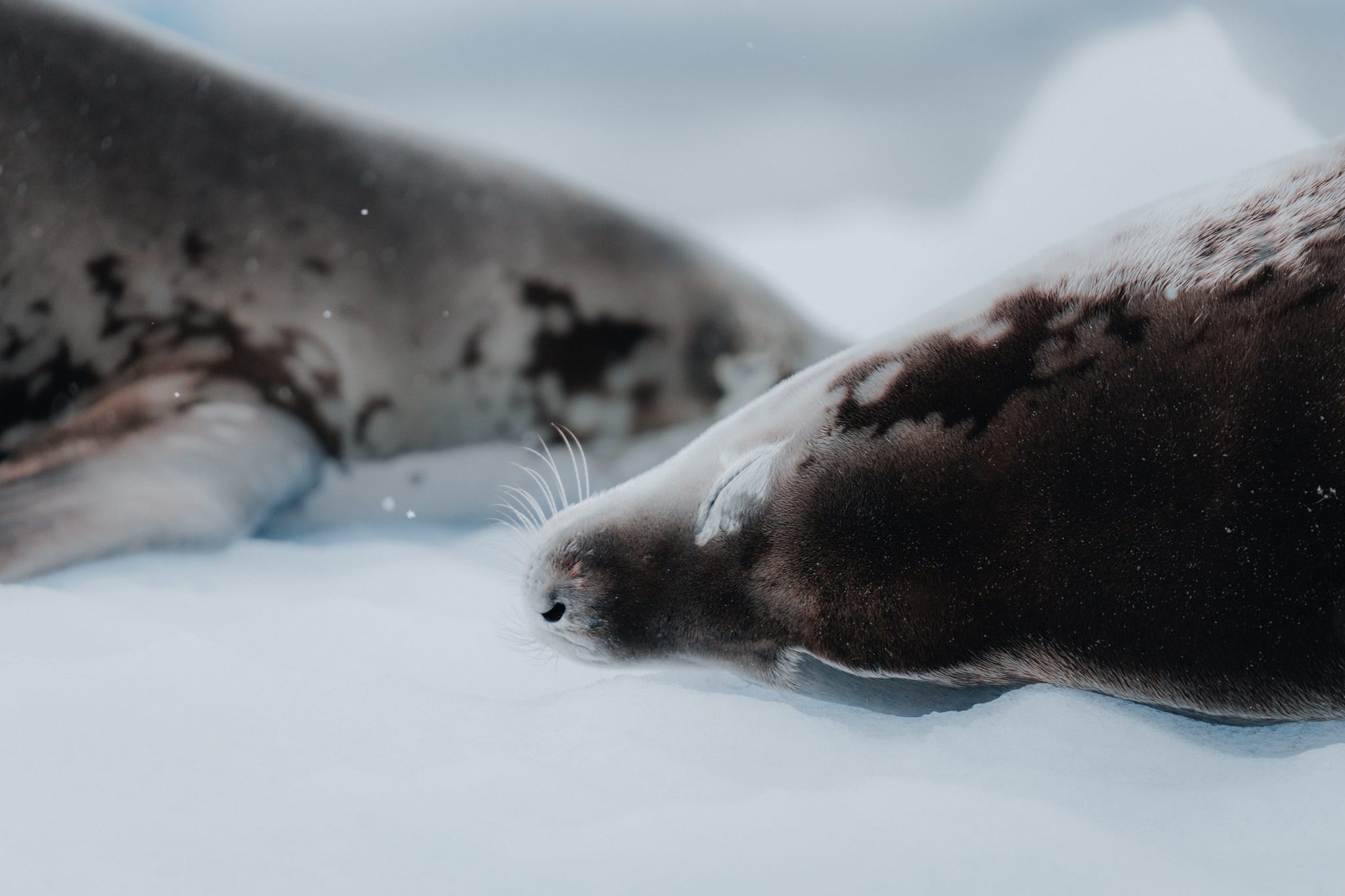
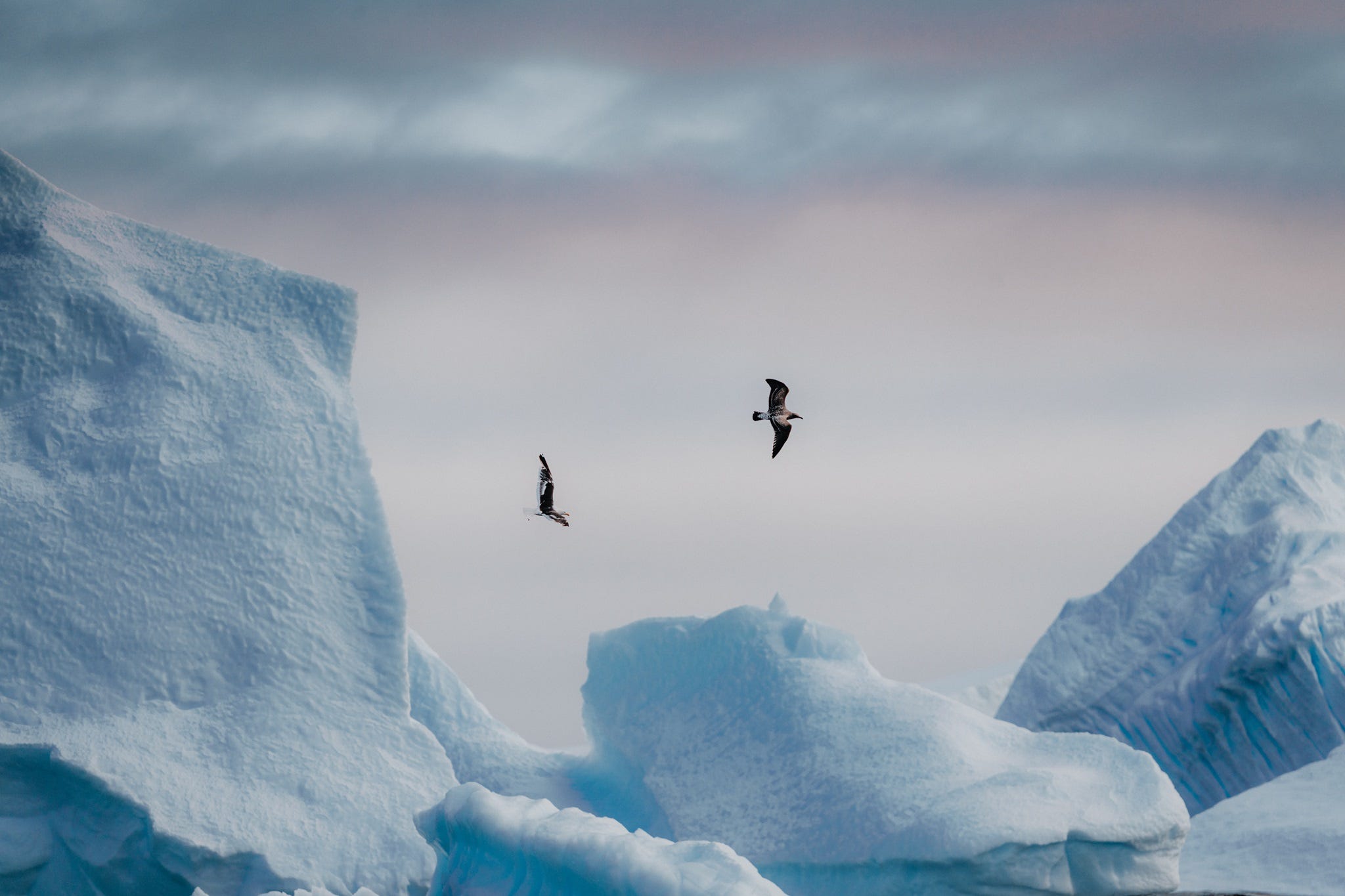
“The sheer abundance. There was always something to see: whales, birds, seals, penguins… it never really stopped. I had expected penguins to be the absolute stars of the trip for me, but I found photographing seals perhaps even more fascinating. And of course, the whales: they are a photographic challenge. Often, they only show their back, so you have to stay very alert and act quickly when you think they are beginning to dive and showcase their incredible fluke.
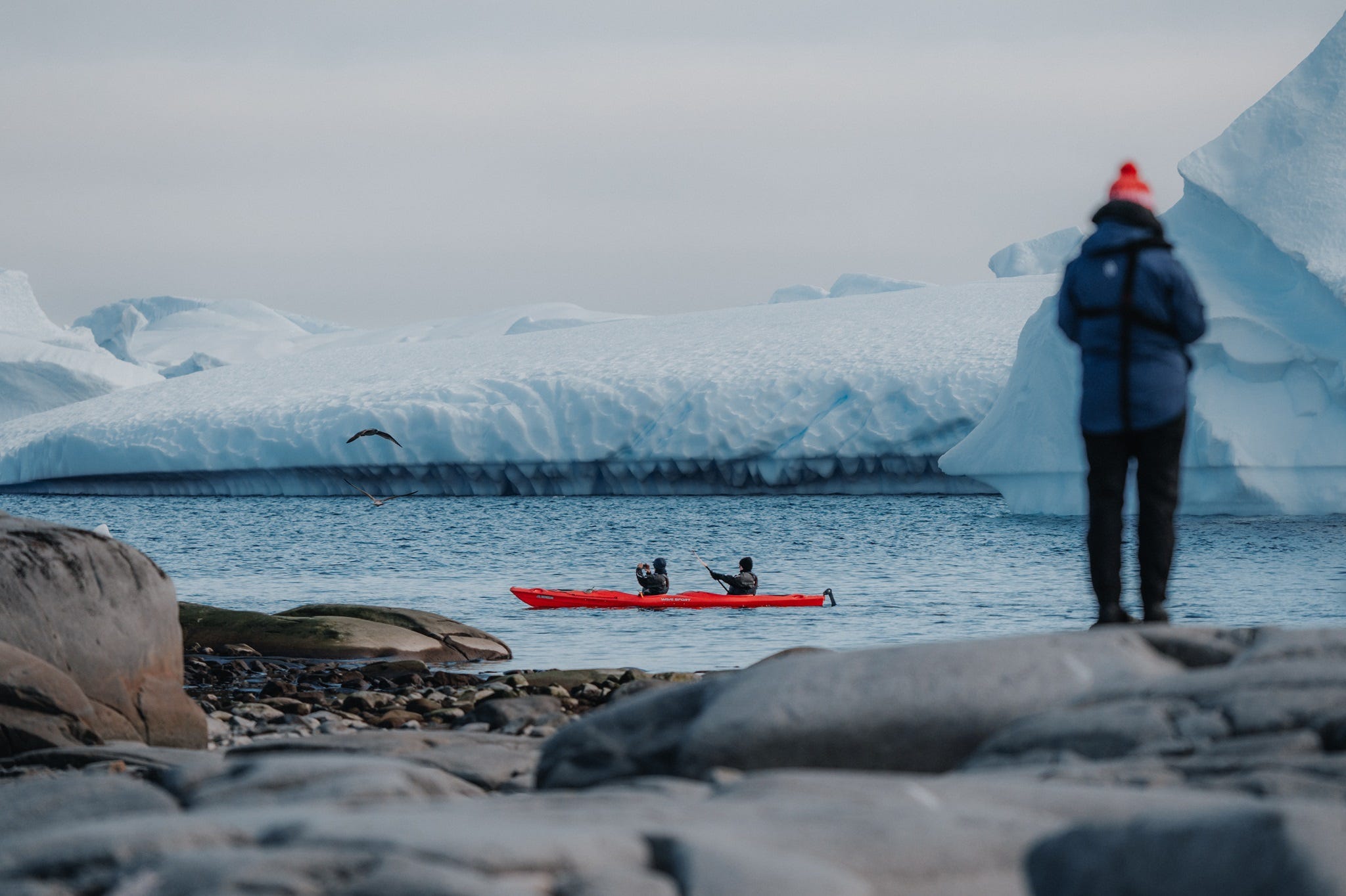
We also went kayaking twice, and during one of those trips a humpback whale came so close that it was perhaps no more than three metres away from us. That was truly unforgettable. And yes, also a bit nerve-racking. When you’re in a kayak and such an enormous animal suddenly comes very close, you really feel how small you are. On another occasion, a seal even swam underneath our kayak. Amazing, and also incredibly exciting.”
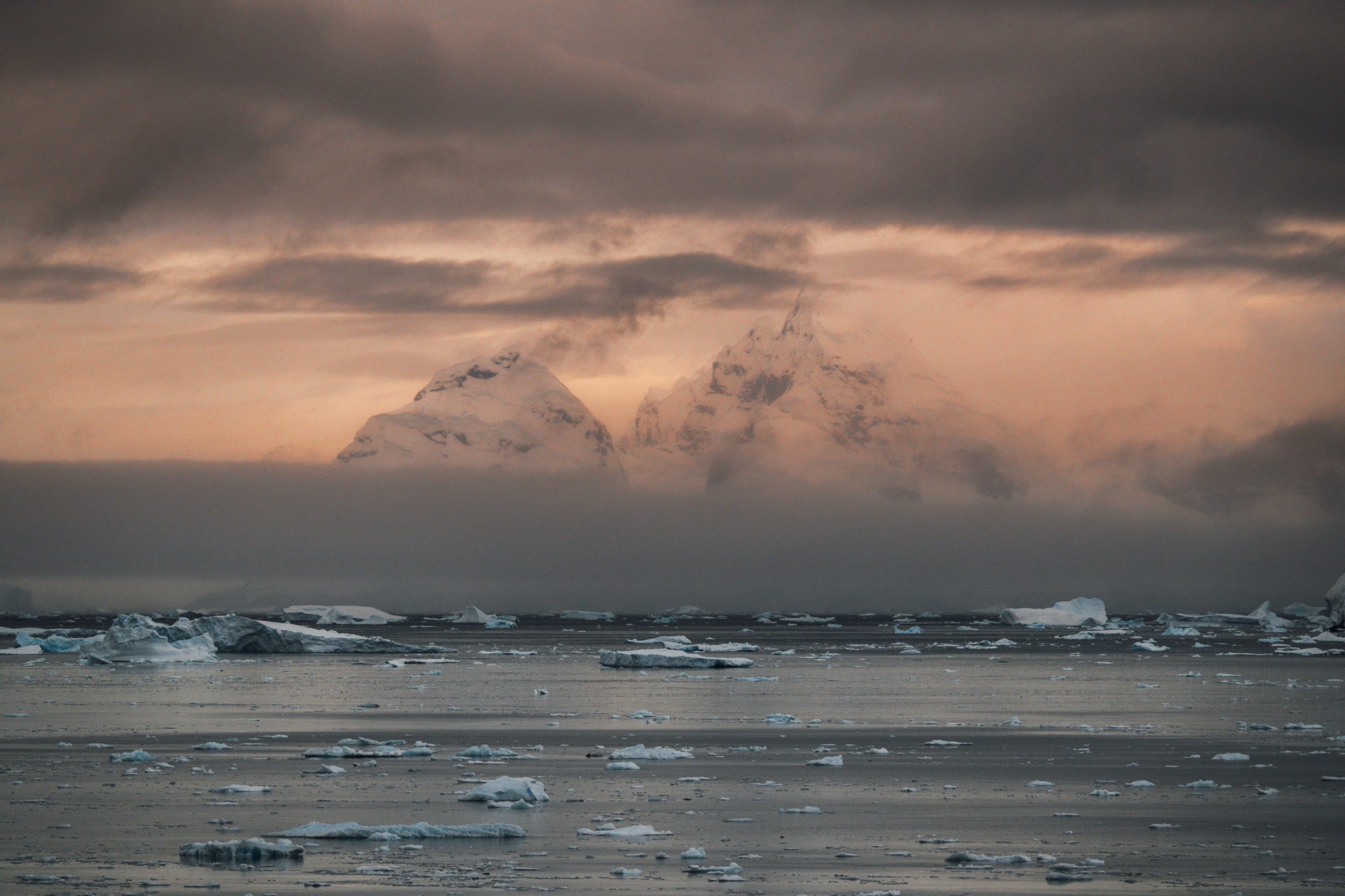
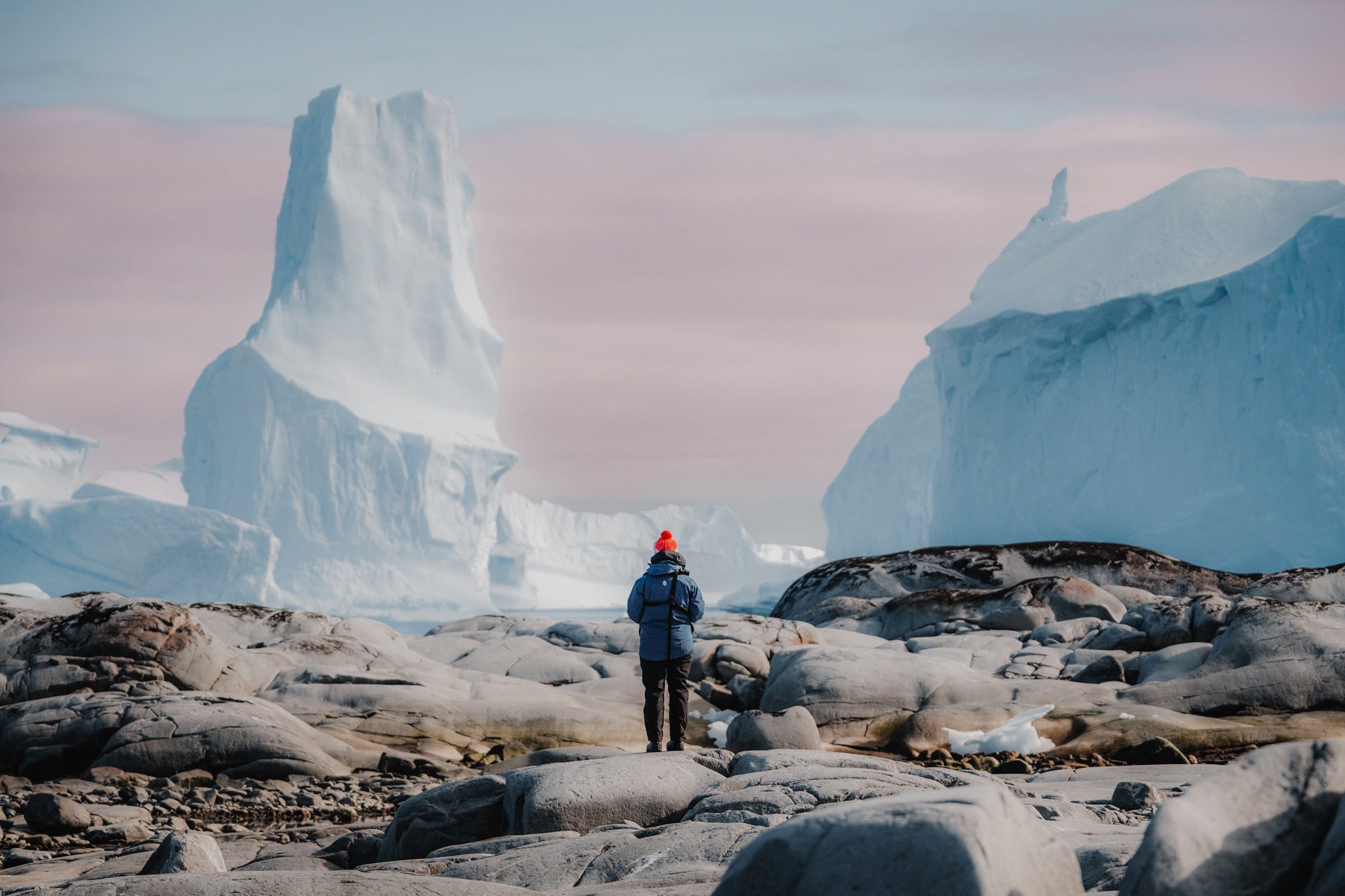
What were the conditions like during the trip?
“We had one day with snow and strong winds, but otherwise we were treated to beautiful light, calm waters, and fantastic skies. At one point, we were even able to land on sea ice. We stepped off a zodiac onto the ice and could walk feely within a boundary. Those are the kinds of moments when you immediately feel: this is special, and something you may only experience once in your life.”
You also mentioned the silence of Antarctica…
“That was incredibly impressive. During one of the kayaking trips, our guide asked us to lie still for a moment and simply listen. You hear almost nothing: a few drops of water, perhaps a penguin far in the distance, the sound of your paddle moving through the water. That was one of the most intense moments of the entire journey. Antarctica is not only vast and wild, but also unbelievably quiet.”
Sigma 60-600mm F4.5-6.3 DG DN OS | Sports
Why did you choose the Sigma 60–600mm F4.5–6.3 DG DN OS | Sports for this trip?
“On an expedition like this, versatility is key. In Antarctica, you never know what will happen next. One moment you’re looking at a vast landscape with icebergs and mountains in the distance, and seconds later wildlife appears right next to the ship. You don’t want to be constantly changing lenses. That’s exactly why this 60–600mm was perfect.”
What was your first impression of the lens?
“To be honest, I was curious beforehand about how it would feel in practice. I often use the Sigma 100–400mm F5.0–6.3 DG DN OS | Contemporary. The 60–600mm is heavier, but I quickly realised I wanted to shoot with the extra reach this lens provided. The greatest strength of this lens is without a doubt the combination of range, versatility, and image quality. That range from 60mm to 600mm is truly unique. At 60mm you can almost shoot like a landscape lens, while at 600mm you can bring animals or details in the landscape very close and capture them in razor-sharp detail.”
You also mentioned the wide-angle end at 60mm as a major advantage…
“Many people see this primarily as a super-telephoto lens, but that 60mm really expands your creative possibilities. You can quickly switch from a wide composition to a close-up without changing position or lens. At times it felt as though I had multiple lenses in one.”
What did you think of the sharpness of the lens?
“That really stands out. Often with this type of extreme zoom lens, performance drops off at the long end, but with this lens the image remains impressively sharp even at 600mm. That was especially important for wildlife. You want to capture details in feathers, fur, or in an animal’s expression.”
“I used the lens exclusively handheld,” Dylan continues. “I did bring a tripod, but in practice you want to be able to respond quickly on a trip like this. Flexibility is more important. What positively surprised me was that, despite its size, the lens is very comfortable to use. It is large, however not so much that you can’t work with it all day. That’s a real strength.
This lens has also broadened the way I look. I discovered I could create compositions that I might normally have made separately with a 24–70mm or a 100–400mm. With this lens, I could think in possibilities much more quickly. That is incredibly valuable, especially when travelling.”
Finally, for what type of photographer is this lens ideal, in your opinion?
“For anyone who travels a lot and doesn’t want to be limited by their equipment. Wildlife, landscapes, expeditions, safaris, working from a kayak: in all those situations this lens is extremely strong. Of course, a prime lens has its advantages, but if I could only take one lens to Antarctica, it would without a doubt be this one.”
Over
dylan Mcburney
Fotograaf
Photographer Dylan McBurney has a strong focus on automotive, travel, adventure, commercial, and landscape photography. With a background in Mechanical Engineering and Aerospace Engineering, he combines technical precision with a creative eye for detail. His love for photography began during a study trip to China in 2019, where he first started shooting extensively. Since then, he has refined his style. Dylan is known for his dynamic visual language and his ability to tell stories through powerful and atmospheric images.